Fantastic AJL conference!

The topic of the 2011 Association of Jewish Libraries conference (think I got the name wrong on a previous post) this past weekend was Graphic Literature. I’m still buzzing with excitement about the conference, so I’ll share some highlights.
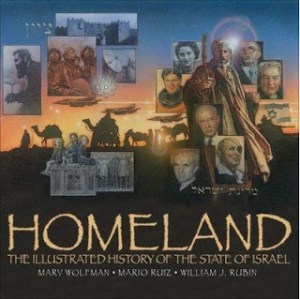
The wonderful presenters included Sid Jacobson (author of the recent and much-lauded official graphic biography of Anne Frank), William Rubin (co-creator of Homeland: the Illustrated History of the State of Israel), and Barry Deutsch, who just won the Sydney Taylor Award for Hereville.
Each one described their recent work, its development, public reaction, and future projects. Mssrs. Jacobson, Rubin, and Deutsch were all charming and engaging and totally worth seeing (and buying their books!). BUT the most amazing speaker of the conference was Anastasia Betts.

Mrs. Betts is currently a consultant and curriculum developer. She presented research on literacy and graphic literature (including comics, graphic novels, manga, etc.).
Some mindblowing facts:
The highest literacy rates in the world are in Finland and Japan (99%). They are also the biggest consumers of graphic literature.
Graphic literature is more than just comics, but can come in every genre, for any audience. The text, particularly unfamiliar vocabulary and main ideas, are supported by pictures for weaker readers. Visual learners have more cues than in traditional text. Eyes move differently over the pages.
If you introduce graphic literature into a school library, use of the library by students will increase by more than 80 percent, with 32 percent of the increase in borrowing being the non-graphic literature!
We’ve already seen graphic formats being adopted by Jewish publishers (see authors above). You can even argue that he fabulous Katz Hagaddah with illustrations by Gadi Pollock that many of us use on Pesach is an example of this phenomenon. Think of how readers react to it, or to the graphic 39 Melachos of Shabbos book, or to Trekking Through Time, or The Search for Stones (illustrated by the wonderful L.A.-local Marc Lumer). I’ve seen kids and even adults ooh and ahh over them. I’m hoping that this will be a trend that continues.

How to Provide Books to the Needy

About thirty years ago, a linguistic anthropologist researched children’s literary experiences at home in three communities. In her famous article, “What No Bedtime Story Means,” Dr. S.B. Heath wrote about her findings. She reported that children who have books in their home and use them regularly have better literacy in school. Even if a child had books in the house, they had to be used…it was insufficient to have a beautiful book if it was treasured so much to the extent that it was left on the shelf as a display piece.

When I taught in So. L.A. nearly a decade ago, my students (mostly working class and Latino) often had no books of their own. Many didn’t visit the library unless on a school visit, although there was one in the neighborhood. Many parents, cash-strapped and not functionally literate themselves, chose to spend what little money they had on DVDs and video games. Others had a few books. These had often been received as gifts, and remained on the shelf so as not to be ruined (just as in Dr. Heath’s study). Alternatively, my students had books, but these were often t.v. tie-ins of questionable literary merit. And some of my students had parents who wanted to read, but were each working two jobs to make ends meet. These folks were simply too busy and too exhausted to read a bedtime story. Thus, my students often had very few literary experiences before they reached school.

Contrast this with the average Ashkenazy Jew in America: books cover the walls (content and language varies by religiosity); many books are so well used they have actually been “loved to death” and are in tatters; libraries are regularly visited; newborns are given copies of Baby Faces, Brown Bear, Brown Bear, and Blue Hat, Green Hat as gifts long before they can actually hold the books in their own tiny hands.

And people wonder why we are the people of the book?

In steps the wonderful organization, First Book. First Book has partnered with General Mills to distribute free books in Cheerios boxes at selected times of year. Plain Cheerios is a WIC friendly food, so putting them in that particular brand helps them reach their target audience, kids whose families may not be able to afford books, and who may not access public libraries. While these books are printed cheaply, they are high-quality literature. The authors have either won First Book’s annual writing competition for new writers or are established writers themselves…and the illustrations are fabulous.

Here’s a link to this wonderful organization. http://www.firstbook.org/