This Birdie Has Tweeted

I’m mortified. Having recently come to grips with the necessity of getting a Facebook account, I’ve now succumbed to Twitter. You can’t apply for the new Amtrak Artist Residency program without it, and you can’t get some writing gigs without it (because they want you to publicize), and now I’ve joined the flock.

I actually took a class last year about Social Media from Carol Tice and Linda Formacelli, and so I’m not totally incompetent at stuff like this. I just feel like I’m incompetent at this kind of thing.

If you’d like to follow me on Twitter, you can find me @KlempnerJots and read what I’ve got to say about about the world of books and magazines and all sorts of random things that appeal to me.
Ready for me to reveal more embarrassing truths?

I’m making appearance on Tablet again this week. Not being a shirker, I’ve revealed yet another embarrassing detail of my personal life: I am a reverse snob. (This is along with watching Afterschool Specialsbeing somewhat vain, making choices I can never really take back, and believing in ghosts...I know, I’m a bit of a head case.)

At the time a friend first accused me of being a reverse snob, I had no idea that such a label existed. It turns out that not only does it exist (there are definitions for it both on Dictionary.com and in the Urban Dictionary) but I indeed was one. At first I was proud of being  a reverse snob…until I did some soul-searching.

The good news is that I’m now in recovery.

Has anyone ever accused you of something that initially you were proud of, but later reconsidered? Please share your story in the comments below! And don’t forget to check out my essay on Tablet.

Conducting interviews to bring realism to your fiction

cuban missile crisis

Radio and television connected Americans with the facts of the ongoing crisis, and also increased their anxiety about its dangers.

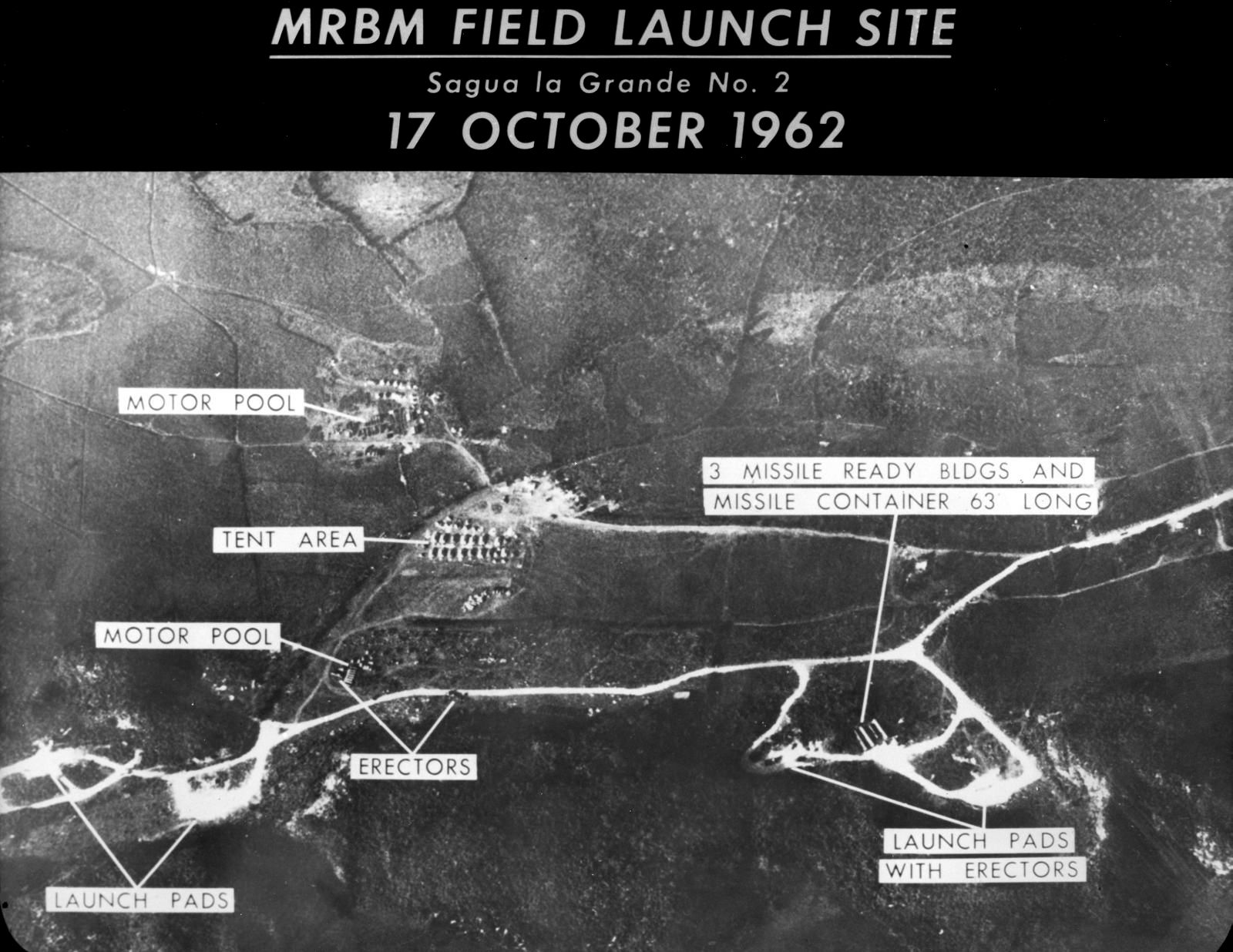
You’ll find my story “Duck and Cover” in this week’s Binyan. While I lived through the tail-end of the Cold War, I’m not old enough to have survived the Cuban Missile Crisis, the setting for my story. In order to get details about how teens reacted to the situation, I conducted brief email interviews of a number of subjects who were old enough to remember the events. I asked about their feelings, how they coped with them, how they heard about the crisis, how the adults around them (both parents and teachers) reacted, and so on.

How did I use the interviews?

The responses I received were fascinating, and often contradictory, Continue reading