Professional empathy: writing and anthropology

author and anthropologist

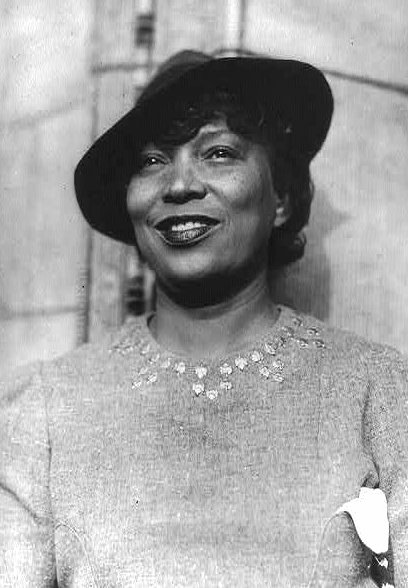
The incomparable Zora Neale Hurston

Earlier this week, Google celebrated the 125th birthday of Zora Neale Hurston. Best known for her novel Their Eyes Were Watching G-d (which has one of the most suspenseful and gut-wrenching scenes I’ve ever read), Hurston was also an trained anthropologist. Much of her non-fiction work consists of the retold folktales she uncovered during interviews in the deep south during the Great Depression.

Anthropologists as writers

This got me thinking about the whole issue of writers with training in anthropology. While I never actually “practiced anthropology” professionally, I have a Master’s in Applied Anthropology and feel that the reading, classwork, and fieldwork I did during my training has had a deep and lasting influence on my writing (and teaching and pretty much everything else I do, by the way).

Hurston and I are in good company. Continue reading
Conducting interviews to bring realism to your fiction

cuban missile crisis

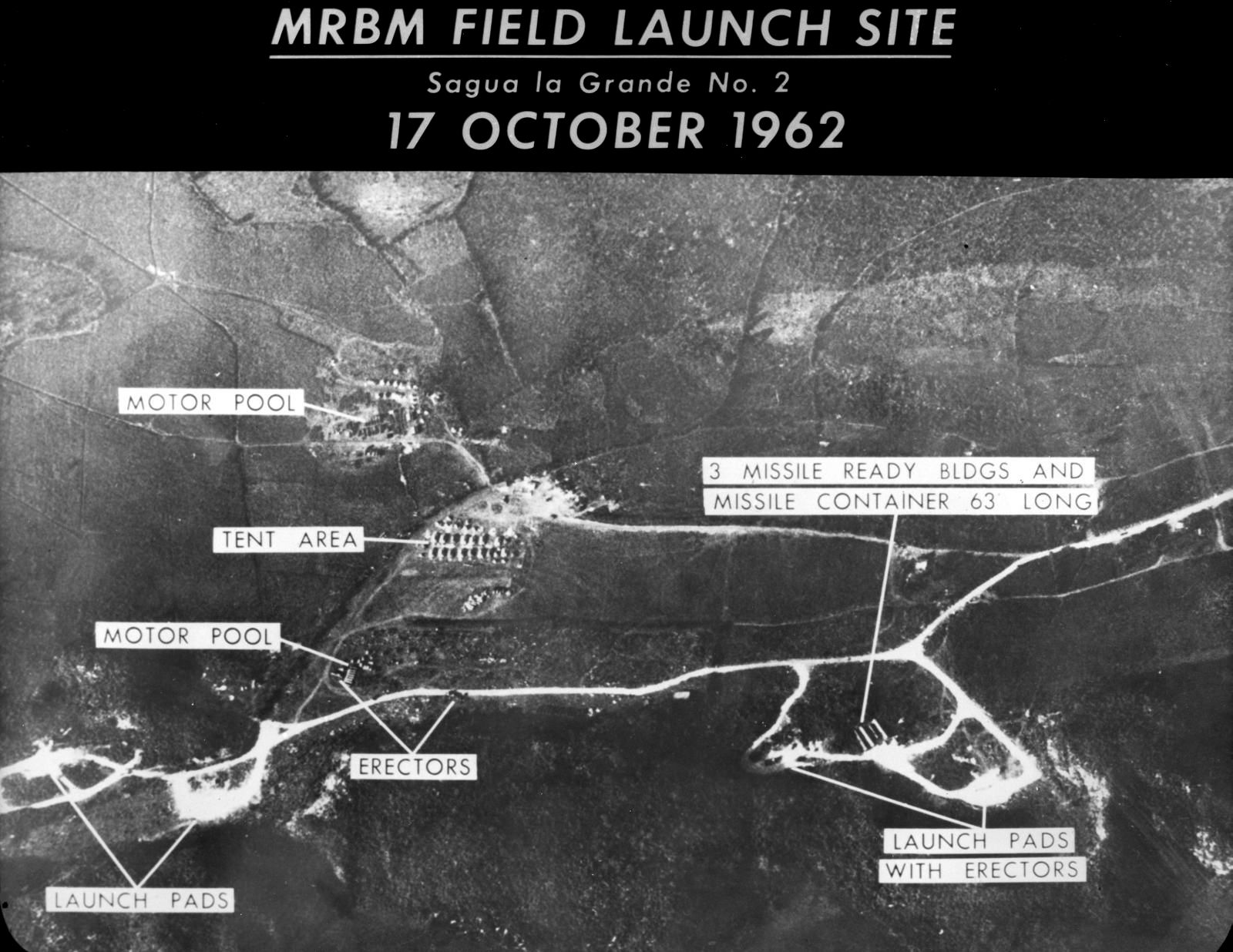
Radio and television connected Americans with the facts of the ongoing crisis, and also increased their anxiety about its dangers.

You’ll find my story “Duck and Cover” in this week’s Binyan. While I lived through the tail-end of the Cold War, I’m not old enough to have survived the Cuban Missile Crisis, the setting for my story. In order to get details about how teens reacted to the situation, I conducted brief email interviews of a number of subjects who were old enough to remember the events. I asked about their feelings, how they coped with them, how they heard about the crisis, how the adults around them (both parents and teachers) reacted, and so on.

How did I use the interviews?

The responses I received were fascinating, and often contradictory, Continue reading

Writers don’t live on desert islands

A couple weeks ago, a writer I’m friendly with asked in passing if I’d finished revising my novel. I told her that I felt like the rewrite wouldn’t happen until I moved to a desert island. Until that point, there would be distractions: carpool, laundry, cooking, deadlines on other writing projects…and more carpool.

Moving to the desert island is no escape

It kinda got me down.

My writer friend suggested that I apply for a writing retreat. Not quite a desert island, but close enough. Continue reading

My first foray into playwriting: lessons learned about writing and directing plays for kids

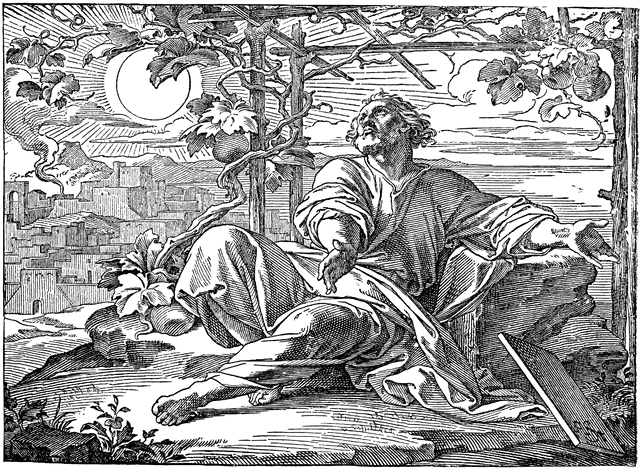
As I mentioned last week in passing, I spent a good chunk of time between Rosh Hashanah and Yom Kippur preparing a play for the kids at my synagogue. The topic: the story of Jonah, which is read during the afternoon of Yom Kippur.

Jonah sheltered by the vine

Yonah waiting to see if Nineveh gets destroyed. He’s kinda hoping it does. How’s that for schadenfreude?

Now, I’ve always thought this story was packed with humor. I mean, G-d singles Jonah out for a little tete-a-tete and he hops on a boat headed in the opposite direction as the mission G-d sent him on? Then he sleeps through the ginormous storm that has everyone else aboard freaking out and get swallowed by a giant fish. Come on!

And when Jonah finally makes it to Nineveh, it gets even wackier. Continue reading

Regional dialect in the U.S. – Pardon me for my nerdiness

two women talking

“I’m sorry I laughed at you for calling the ginger ale, ‘Coke.'” “That’s alright, Mabel. I’ll forgive you if you pardon me for laughing when you called the spigot a ‘spicket.'”

Like most people who read and write SF and fantasy, I have a tendency towards nerdiness. I watched Star Trek loyally (until I ditched my TV at age 24). I read graphic novels. I watched foreign films as a teen and young adult and snubbed “Forrest Gump” and “Titanic.” And my idea of a fun day out could easily involve a museum, planetarium, or library.

Yes, I sat at the table with the nerds, geeks, and dweebs in high school. At least the social consequences of nerdiness drop drastically at some point during college.

One of the things I studied in college and graduate school happens to be sociolinguistics, and the topic still fills me with geeky glee, so when Discover Magazine directed readers to Joshua Katz’s work at NC State University, I had to give it a look-see. Continue reading

Helpful tools to plot your story

man and woman in library

“Excuse me, sir. Do you happen to remember that story where that guy dies and one of his sons thinks the other did the crime, but it turns out to be the mother instead?”

I was reading a post by Noelle Sterne on Writer’s Digest today where she describes “How to Prevent Predictable Plots.” She cites Georges Polti, who listed 36 classic plots which are constantly used and reused in literature and drama. (Sterne suggests that it’s inevitable you’ll use one of these basic plots, but that you can set yourself apart and introduce unpredictability through the details.)

Intrigued, I went to a description of these “dramatic situations.” Continue reading