This story does not stop here!

For the last week, I’ve been struggling with a major rewrite of a short story. Basically, the character was not so likeable, her journey was boring, and the ending was very, very lame.

The problems with my Lame-O story:

This was already the third or fourth draft of the story. I’d originally written it for a particular venue, who rejected it. Later, it was accepted for a different one, conditional on me completing a satisfactory rewrite.

The main structural changes the editors asked for were the removal of one subplot (and the scenes both where it was introduced and where it was resolved) and a new ending.

I cut out the subplot. No problem. I wasn’t entirely attached to it.

But still not done!

Now my story had a new problem Continue reading
Professional empathy: writing and anthropology

author and anthropologist

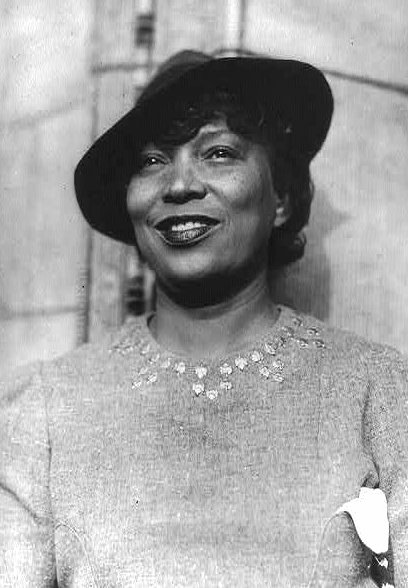
The incomparable Zora Neale Hurston

Earlier this week, Google celebrated the 125th birthday of Zora Neale Hurston. Best known for her novel Their Eyes Were Watching G-d (which has one of the most suspenseful and gut-wrenching scenes I’ve ever read), Hurston was also an trained anthropologist. Much of her non-fiction work consists of the retold folktales she uncovered during interviews in the deep south during the Great Depression.

Anthropologists as writers

This got me thinking about the whole issue of writers with training in anthropology. While I never actually “practiced anthropology” professionally, I have a Master’s in Applied Anthropology and feel that the reading, classwork, and fieldwork I did during my training has had a deep and lasting influence on my writing (and teaching and pretty much everything else I do, by the way).

Hurston and I are in good company. Continue reading

My latest obsession: comparing the numbers of comments to the numbers of “likes”

Okay, I’ll admit it: there are better ways to spend my time. But for some reason, I have recently become obsessed with the following question:

Why do some articles get many “likes,” but few comments, and some articles get many comments, but few “likes?”

Until recently, I never paid attention to the social network shares on my articles. I paid attention to the comments so I could monitor and respond to them, but I didn’t watch how many people “liked” my article, tweeted about it, or whatever. I guess something happened when I finally joined FB myself.

First, I found myself comparing the rates of “likes” vs. comments on my Tablet articles, then I noticed the same discrepancies on other people’s articles.

I get that it’s easier to “like” than to write a whole comment. I do. Also, “likes” get shared with other people readers think will enjoy or appreciate the article. And that explains why some articles (the most recent one I wrote, for example) have a “likes” to comment ratio that far favors the “likes.”

Do more comments than “likes” signal dislike?


What I don’t get are the stories that move in the opposite direction (including one of my other articles). What makes someone comment, but not “like”? Because they’re mad at me? Because something I said incensed them? Is that it?

Do you have any insight on this issue (as a reader, writer, marketer, or publisher)? Please share it in the comments below.

10 Great 2014 Anniversaries to Write About in the Months Ahead

Following up on a suggestion (I wish I could remember who passed along this hint!), I was scoping out historically significant anniversaries occurring in 2014 as potential topics for my writing.

skyline with arch st. louis

St. Louis, Missouri – 250 years and counting!

In theory, choosing a topic that’s–well, topical–can be a marketing advantage. Unfortunately, none of the anniversaries I’ve found has inspired me so far, but I thought they would be worth sharing because maybe one of them will inspire you.  Continue reading

Thank the folks who’ve rejected you–a radical suggestion for writers this Thanksgiving

Last year’s Thanksgiving post deserves a second helping. And if you need more reasons to thank G-d for your rejection letters, check out a story by Nina Badzin here.

beccakinla's avatarRebecca Klempner

Thanksgiving is upon us here in the U.S., and this is a wonderful opportunity to reflect upon gratitude, whether you celebrate the holiday or not. I’m a big fan of Rabbi Zelig Pliskin and also of Rabbi Shalom Arush, and I’m going to combine their approaches for this writing exercise appropriate to the Thanksgiving season and year-round. This exercise is useful whether you’re Jewish or not–please don’t get turned off to it just because it was inspired by a couple of rabbis.

Rejection is just about the hardest thing to cope with when you decide you’re going to become a writer, but it’s something that you need to learn to accept graciously. When that rejection letter first comes, you are often overwhelmed by feelings of resentment, anger, and frustration. You might lash out, calling the editors idiots or saying that the publisher doesn’t know what good writing is. You…

View original post 441 more words

When it rains, it pours!

I’m having a crazy week, and not just because of the upcoming Thanksgivukkah extravaganza we’re experiencing here in the U.S. My latest essay on Tablet popped up on their front page at 12 am EST. No trolls yet, but no comments either…

I have a Chanukah story for kids in this week in Binah BeTween, also, and Naomi Elbinger’s My Parnassa blog is featuring a guest post by yours truly about writing for Jewish magazines and making sure you get paid.

Here’s hoping you all have a crazy week, to0–in all the best possible ways! And a lichtige Chanukah, and/or a fabulous Thanksgiving, as well.