A Tribute to My Favorite Uncles

Looking for some Shabbos/weekend reading?

I’ve got a new story in this week’s Inyan Magazine, inside Hamodia (dated August 26, 2015). The story is called “The Favorite Uncle,” and it’s a sorta reversal of real-life situations between my kids and their beloved uncles, as well as a paean to my own awesome uncles, Ira and Larry.

Synopsis: 11 year-old Alex Silverstein’s favorite uncle frums out (becomes Orthodox), and Alex is not amused.

I’d love feedback from anyone who reads the story!

I also thought this would be a great opportunity to answer a question I’ve been getting a lot lately, included from professional (non-fiction) writers:

How do you write a short story?

Usually, the first step for me is Continue reading
Need a little reading material for the intermediate days of Passover?

Check out my new short story, available to read online

The Jewish Press published my magic realism (laced with sci fi) short “An Old Fashioned Girl” a couple weeks ago in its Olam Yehudi supplement. Unfortunately, I was expecting it to run a week later and only found out after that week’s edition had left the stands.

The good news is that my friend (and fellow writer) Yehudis Litvak helped me locate the story in the online edition. You can read it here.

It was my absolute favorite story to write, by the way, pure pleasure. Unfortunately, it garnered four rejections before it got picked up for the Olam Yehudi. I had to cut the text a bit for the format (which is shorter than the word count in most other Jewish magazines), but the story stood up pretty well, I think. Got a comment? Let me know by shooting me an email or commenting though my website.

If you are celebrating Passover, enjoy the rest of your holiday!

Announcing a class for beginning Jewish writers in L.A.

Do you have a picture book idea?

Have you always wanted to write for the Jewish magazines, but didn’t know how?

I will, G-d willing, be teaching a workshop on writing for Jewish tots, tweens, and teens later this month.

A possible student for my workshop?

Audience: Ladies ages 15 and up are welcome to participate.

Date:May 25th

Time:10 am – 1 pm

Location:Private home in L.A.

Cost:$25, $18 if you refer a friend and they also commit

To sign up: Please fill out the form below.

Go back

Your message has been sent

Warning
Warning
Warning
Warning
Warning
Warning

Warning.

Two places to find me in time for Tu B’Shevat!

Hey, everyone.

wild apple photo from wikipedia

Don’t forget to eat fruits from trees on Wednesday night/Thursday in honor of Tu B’Shevat!

It’s my not-so-little secret that I’m kinda obsessed with Tu B’Shevat, the minor Jewish holiday known as the “Rosh Hashana of the trees” in the Talmud and colloquially as “The Birthday of the Trees.” With that in mind, it should come as no surprise you can find me in print twice the week of this holiday.

Where to find me this week:

The first place you can find something written by yours truly is in Binah Magazine. You’ll find my personal essay near the back, where I’ll contemplate the philosophic implications of gardening.

The second place you’ll find me is in Hamodia‘s Binyan Youth Magazine. One of the stories I’ve written that I’ve received the most positive feedback was one written nearly a year ago (just a week or so before Purim 5773) about a boy with Asperger’s mainstreamed in a “typical” yeshiva high school. I’ve brought the back the character a few times and you’ll meet him up again in this week’s story. I took the theme of trees and fruit in a more metaphorical sense here.

What does the theme “Fruit of the Tree” bring to your mind? Songs, books, poems, experiences? Please share below!

Conducting interviews to bring realism to your fiction

cuban missile crisis

Radio and television connected Americans with the facts of the ongoing crisis, and also increased their anxiety about its dangers.

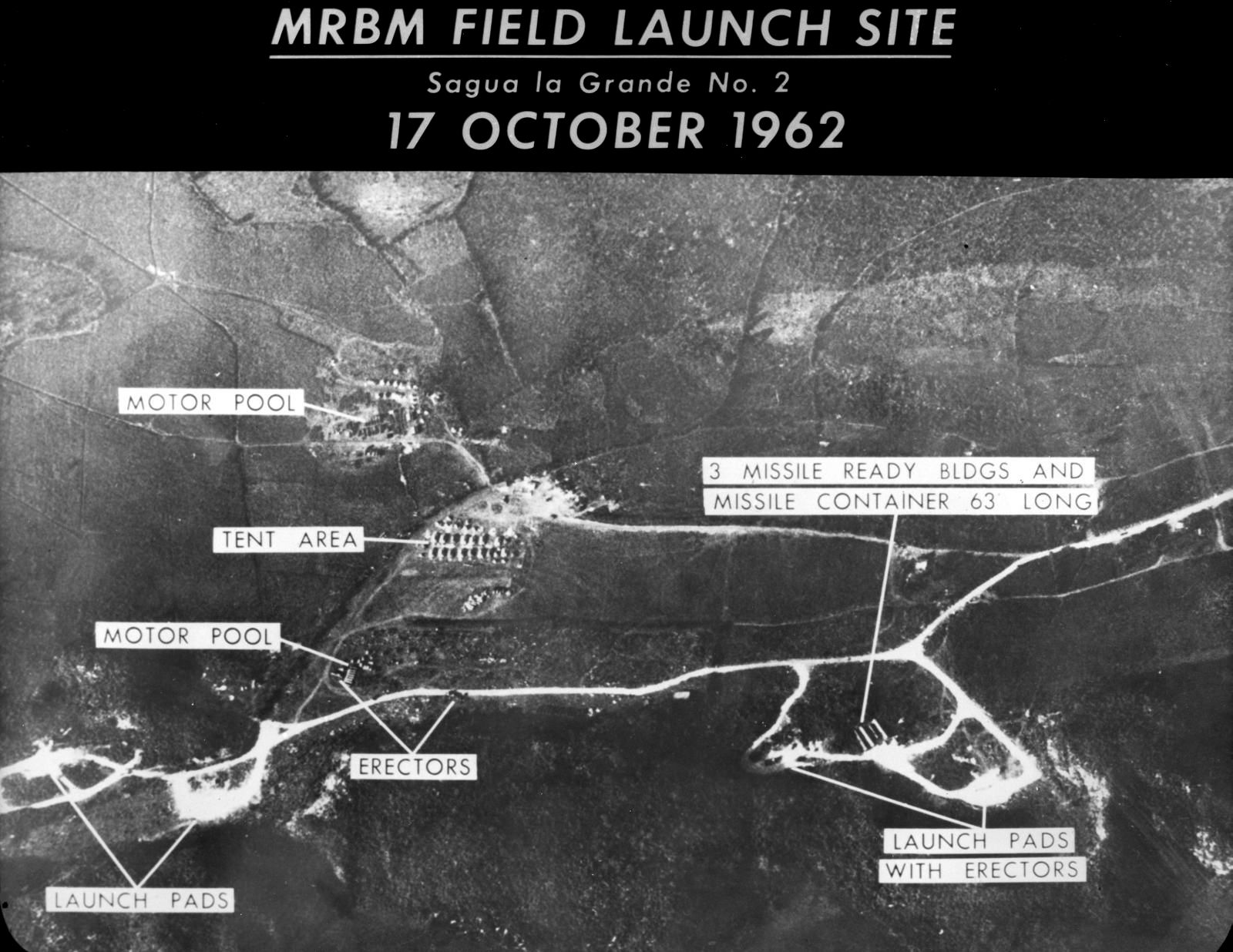
You’ll find my story “Duck and Cover” in this week’s Binyan. While I lived through the tail-end of the Cold War, I’m not old enough to have survived the Cuban Missile Crisis, the setting for my story. In order to get details about how teens reacted to the situation, I conducted brief email interviews of a number of subjects who were old enough to remember the events. I asked about their feelings, how they coped with them, how they heard about the crisis, how the adults around them (both parents and teachers) reacted, and so on.

How did I use the interviews?

The responses I received were fascinating, and often contradictory, Continue reading