More about McKee’s STORY: How two of my stories measured up

I’m still reading STORY and have so much to say on its utility that you’ll just have to bear with me for a few more posts on it.

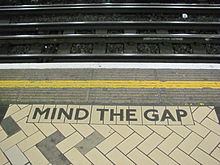
THE GAP

victoria station tube mind the gap

Writer! Mind the gap!

McKee has a theory that the material a story is made of is not words, not paper and pen (or computer) but something he calls the GAP. The Gap develops when a main character acts and discovers that his/her expectations regarding the response s/he’s going to get conflict with the reaction s/he really gets. This discrepancy forces the character to adjust and change.

Continue reading

Put some funny in your Adar

Purim is still almost six weeks away due to our extra Hebrew month of Adar this year, but it’s not too early to get silly. Writer Libi Astaire posted a hilarious “app” to repair your worst reviews. It’s pretty funny. She invites authors to go to her comment section and apply the app to their own negative reviews. I participated. Head over to her post to check it out.

Professional empathy: writing and anthropology

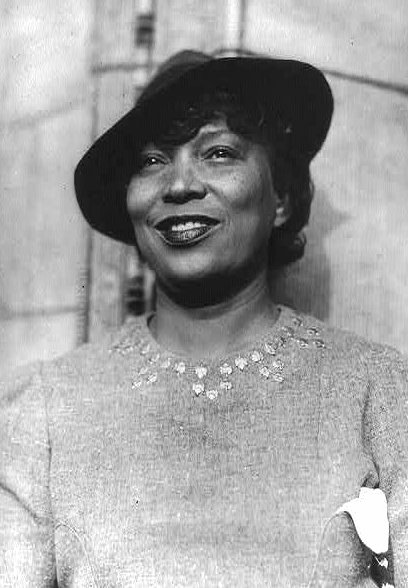
author and anthropologist

The incomparable Zora Neale Hurston

Earlier this week, Google celebrated the 125th birthday of Zora Neale Hurston. Best known for her novel Their Eyes Were Watching G-d (which has one of the most suspenseful and gut-wrenching scenes I’ve ever read), Hurston was also an trained anthropologist. Much of her non-fiction work consists of the retold folktales she uncovered during interviews in the deep south during the Great Depression.

Anthropologists as writers

This got me thinking about the whole issue of writers with training in anthropology. While I never actually “practiced anthropology” professionally, I have a Master’s in Applied Anthropology and feel that the reading, classwork, and fieldwork I did during my training has had a deep and lasting influence on my writing (and teaching and pretty much everything else I do, by the way).

Hurston and I are in good company. Continue reading

My latest obsession: comparing the numbers of comments to the numbers of “likes”

Okay, I’ll admit it: there are better ways to spend my time. But for some reason, I have recently become obsessed with the following question:

Why do some articles get many “likes,” but few comments, and some articles get many comments, but few “likes?”

Until recently, I never paid attention to the social network shares on my articles. I paid attention to the comments so I could monitor and respond to them, but I didn’t watch how many people “liked” my article, tweeted about it, or whatever. I guess something happened when I finally joined FB myself.

First, I found myself comparing the rates of “likes” vs. comments on my Tablet articles, then I noticed the same discrepancies on other people’s articles.

I get that it’s easier to “like” than to write a whole comment. I do. Also, “likes” get shared with other people readers think will enjoy or appreciate the article. And that explains why some articles (the most recent one I wrote, for example) have a “likes” to comment ratio that far favors the “likes.”

Do more comments than “likes” signal dislike?


What I don’t get are the stories that move in the opposite direction (including one of my other articles). What makes someone comment, but not “like”? Because they’re mad at me? Because something I said incensed them? Is that it?

Do you have any insight on this issue (as a reader, writer, marketer, or publisher)? Please share it in the comments below.