Writing a serial: Nickel and dime-ing your way through fiction publishing

On the way to pick up one of my kids at school on Friday afternoon, one of the other moms pulled me aside.

“We’re really enjoying your new serial in Binah,” she said.

I got a little extra bounce in my step. “Thanks!”

“But getting just one chapter a week is driving us crazy! It’s so hard to wait for the next one!’ she added.

“Sorry!” I replied.

There really isn’t anything I can do to help her, but I feel her pain. Usually, I’m the reader throwing my arms up in frustration at the end of a serial episode screaming, “I have to know what happens next! Argh!”

What’s really funny, is that now as a writer, Continue reading

Telling kids about storytelling

I’m very excited to be visiting one of the local day schools tomorrow. For a change, I won’t be doing a read-aloud of Raizy. Raizy may not even come up, due to the age of the kids involved. Instead I’ll be talking about “Storytelling,” to coincide with the current unit the students are studying in school.

Fishing for a few stories on this fine morning

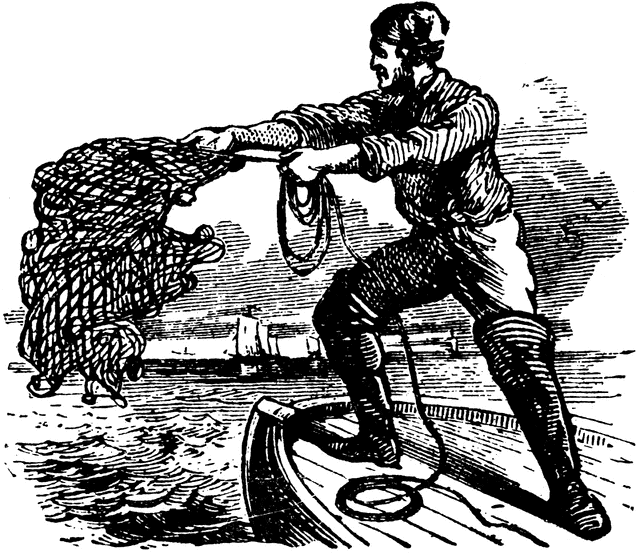
Breaking down storytelling in forty-five minutes will be challenging, especially at the upper-elementary school level. After a little intro, I plan on making an extended metaphor connecting storytellers to fishermen. I’m hoping it will be both instructive and age-appropriate. I’ve spent quite a bit of time preparing and concocted a whole series of visuals, and the like.

How is a good storyteller like a fisherman?

The truth is, everyone is a storyteller. Continue reading

What you got cooking? Making dessert first

So, now that the kitchen is all ready for Passover, I’m on to the cooking. The funny thing I just noticed is that I’ve finished making all the desserts, and even the charoset (also sweet), but have not cooked one main dish, side dish, kugel, soup, or salad.

Why my freezer is full of dessert:

My Passover desserts tend to freeze easily. If I make them ahead and freeze them, they’ll taste just as good. They tend to have few ingredients, and — with the exception of meringues — take very little time to prepare. Also, my kids were home on Thursday and Friday, and they get more of a kick from making granita or fudge than baking a chicken or boiling meatballs — especially if I let them lick a spoon or two.

It’s like a warm-up for the main event. If I get into the cooking groove with a few relatively painless, simple, and fun desserts, then preparing more complicated, time-consuming, and savory dishes suddenly seems more appealing.

Sometimes, in our writing, it’s good to start with the sweet stuff first.

When you’re having trouble getting motivated to write, pick something fun and easy. A poem, a short essay, a journal entry, and email, the inside of your grandmother’s birthday card. Choose the project you want to do, rather than the thing that you have to do. If time is a concern, you can always set an alarm.

Eventually, though, you’ll need to prepare the meat.

After you’ve got a few sweet little morsels under your belt, it’ll feel good to hit the main dish: that article or essay or web copy that is initially less appealing, but will bring in the paycheck.

What type of sweet morsel do you like to start your writing schedule with?
3 Reasons everyone needs sleep

While completing any major project — whether it’s a writing project or Pesach cleaning — it’s very tempting to burn the midnight oil. Sometimes it’s not the threat of missing the deadline that keeps you going until the wee hours; it’s the simple excitement of the flow state.

Just say no. The writing you do late at night is probably not your best, anyway. It reminds me of being around drunks or people high on marijuana: they think they’re being witty and hilarious, when really they just sound like idiots. Lack of sleep will leave you stoned.

You might insist that it’s worth it: you’re a night owl or you’re being courted by the muse. Okay. Maybe if you are truly a night owl, you can handle this. But then you better wake up after ten a.m.

Why? Here are 3 reasons for writers to hit the sack at a decent hour:

  1. You will not be able to function well the next day. Remember, you will have work to do then, also. Small tasks will feel overwhelming and unmanageable. For example, if you write an extra hour tonight, you might loose two or three hours of writing the next day. Or you might miss errors when you proofread because of lack of focus.
  2. Your dreaming mind may generate solutions to problems, creative ideas for your work, and gel previously distinct thoughts into a coherent whole. You don’t want to miss out on these gems.
  3. You become negative when you suffer from sleep debt. You argue. You see things with a negative spin. Rejection letters are harder to take. You respond too quickly and harshly to emails. You turn positive stories on their heads. Writing will be frustrating rather than invigorating.

And now, I’m headed to bed. Feel free to share any deadline/all-nighter horror stories you may have experienced in the comments.

More about McKee’s STORY: How two of my stories measured up

I’m still reading STORY and have so much to say on its utility that you’ll just have to bear with me for a few more posts on it.

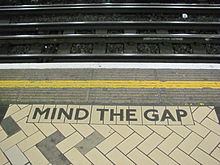
THE GAP

victoria station tube mind the gap

Writer! Mind the gap!

McKee has a theory that the material a story is made of is not words, not paper and pen (or computer) but something he calls the GAP. The Gap develops when a main character acts and discovers that his/her expectations regarding the response s/he’s going to get conflict with the reaction s/he really gets. This discrepancy forces the character to adjust and change.

Continue reading

The Rejection Letter that’s Good for You

Yesterday, I got a rejection letter.

Yes, it happens a lot.

I’ve argued in the past that rejection letters are good for you, and I’ve gotten better at taking them in stride, but this one went even further. Its timing couldn’t have been more perfect.

You see, last night was my monthly writers’ workshop. All morning, I’d been trying to decide on a piece to bring and share. When that rejection letter appeared in my inbox around noon, I decided it was a sign.

No, not that kind of sign.

Not just a sign, but a Sign — “This is the piece you should bring to your writers’ workshop tonight.”

So, I did.

And it was magical.

Our group was smaller than usual, consisting of just three of us (usually, we’re four or five). But the two other ladies present gave me so much insight about what worked in my story and what did not, feedback that I might have been less open to, had I not just received the rejection letter. I spent a good chunk of this morning working on revisions, and plan to wrap them up tomorrow in between baking my challah and roasting my chicken.

I’m still hoping that the next time I hear from an editor, they send an acceptance letter. (To say that I pray for acceptance letters is no exaggeration.) But this experience is definitely going to help me embrace the next rejection letter.

Because another will surely come.