Announcing a class for beginning Jewish writers in L.A.

Do you have a picture book idea?

Have you always wanted to write for the Jewish magazines, but didn’t know how?

I will, G-d willing, be teaching a workshop on writing for Jewish tots, tweens, and teens later this month.

A possible student for my workshop?

Audience: Ladies ages 15 and up are welcome to participate.

Date:May 25th

Time:10 am – 1 pm

Location:Private home in L.A.

Cost:$25, $18 if you refer a friend and they also commit

To sign up: Please fill out the form below.

Go back

Your message has been sent

Warning
Warning
Warning
Warning
Warning
Warning

Warning.

Conducting interviews to bring realism to your fiction

cuban missile crisis

Radio and television connected Americans with the facts of the ongoing crisis, and also increased their anxiety about its dangers.

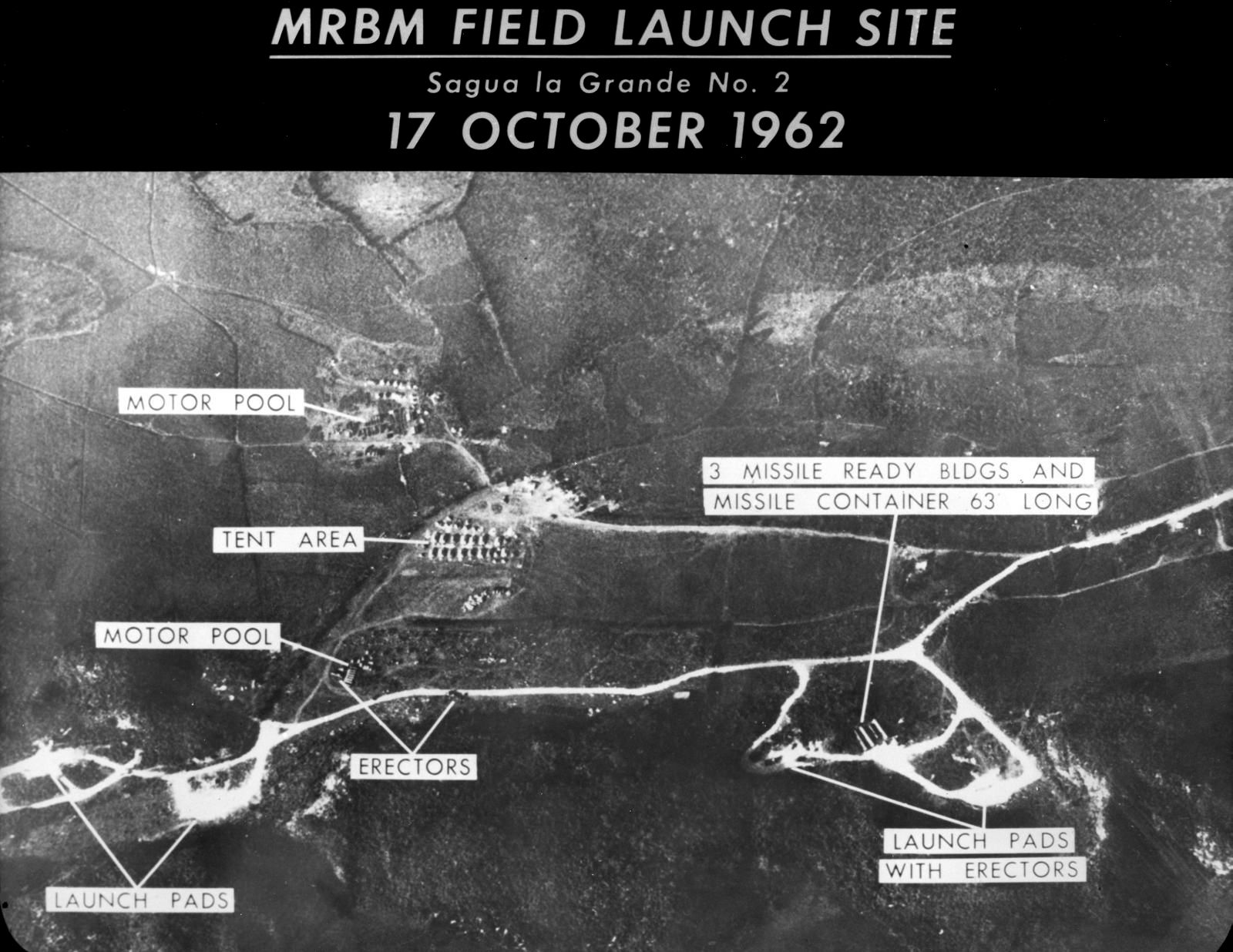
You’ll find my story “Duck and Cover” in this week’s Binyan. While I lived through the tail-end of the Cold War, I’m not old enough to have survived the Cuban Missile Crisis, the setting for my story. In order to get details about how teens reacted to the situation, I conducted brief email interviews of a number of subjects who were old enough to remember the events. I asked about their feelings, how they coped with them, how they heard about the crisis, how the adults around them (both parents and teachers) reacted, and so on.

How did I use the interviews?

The responses I received were fascinating, and often contradictory, Continue reading

My latest obsession: comparing the numbers of comments to the numbers of “likes”

Okay, I’ll admit it: there are better ways to spend my time. But for some reason, I have recently become obsessed with the following question:

Why do some articles get many “likes,” but few comments, and some articles get many comments, but few “likes?”

Until recently, I never paid attention to the social network shares on my articles. I paid attention to the comments so I could monitor and respond to them, but I didn’t watch how many people “liked” my article, tweeted about it, or whatever. I guess something happened when I finally joined FB myself.

First, I found myself comparing the rates of “likes” vs. comments on my Tablet articles, then I noticed the same discrepancies on other people’s articles.

I get that it’s easier to “like” than to write a whole comment. I do. Also, “likes” get shared with other people readers think will enjoy or appreciate the article. And that explains why some articles (the most recent one I wrote, for example) have a “likes” to comment ratio that far favors the “likes.”

Do more comments than “likes” signal dislike?


What I don’t get are the stories that move in the opposite direction (including one of my other articles). What makes someone comment, but not “like”? Because they’re mad at me? Because something I said incensed them? Is that it?

Do you have any insight on this issue (as a reader, writer, marketer, or publisher)? Please share it in the comments below.

10 Great 2014 Anniversaries to Write About in the Months Ahead

Following up on a suggestion (I wish I could remember who passed along this hint!), I was scoping out historically significant anniversaries occurring in 2014 as potential topics for my writing.

skyline with arch st. louis

St. Louis, Missouri – 250 years and counting!

In theory, choosing a topic that’s–well, topical–can be a marketing advantage. Unfortunately, none of the anniversaries I’ve found has inspired me so far, but I thought they would be worth sharing because maybe one of them will inspire you.  Continue reading

Play-by-play: The Weird Things that Happen When You Write Under Time Pressure

clock

Tick-tock…Quick, that deadline’s approaching!

Foolish me.

So, as I mentioned last week, I committed to produce a story just three days after Passover was over. I did prewrite before the holiday, and even had started a first draft in longhand (I often do). It was this surprisingly dark piece, written in second-person. A concerned family member was talking to “you,” and “you” (it becomes clear) are suffering from a clinical depression.

When I picked these materials back up after Passover had wrapped up,  the first thing I thought was: ugh.

  1. The tone was too dark, especially for this particular venue (Ironically, the theme I was given was “Put some spring in your step!” Right.).
  2. The second-person thing effectively pulled you in–making the dark subject matter even more depressing.

I felt like hyperventilating. Was I back to square one? With only three days to go?

AHHH!

Continue reading